

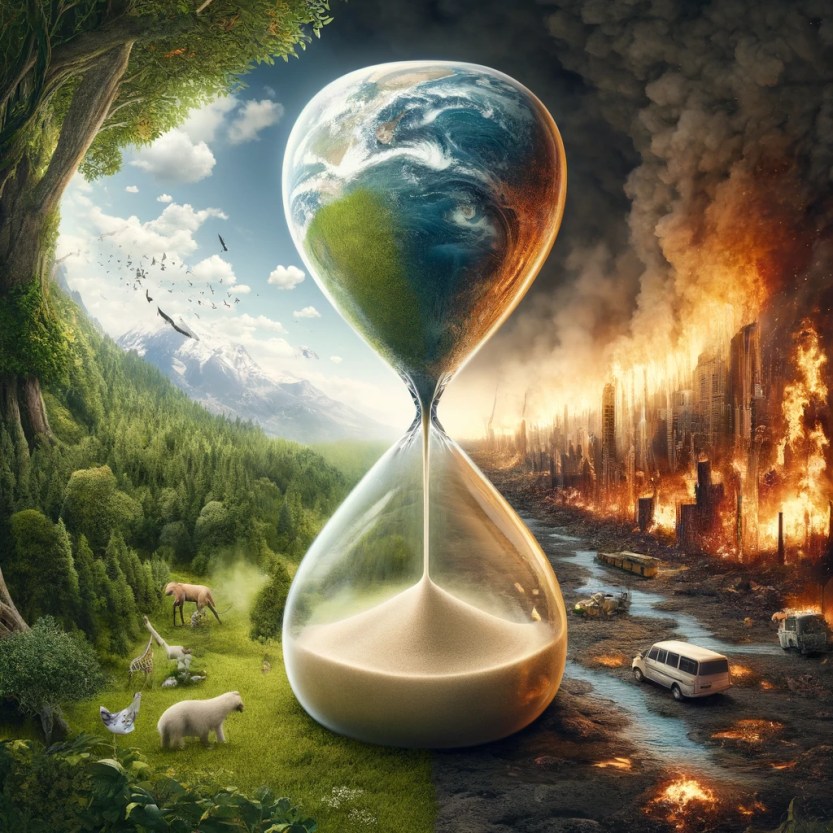
Climate change is no longer a distant threat lurking on the horizon—it’s here, reshaping our world in real-time. From devastating wildfires to unprecedented floods, the signs are clear and the time for action is now. As record temperatures scorch our cities and rising seas encroach on our coasts, we find ourselves facing a stark reality: the tipping point of no return is upon us. From the melting ice caps of the poles to the coral graveyards of our oceans, every system on Earth echoes the same message: change is not coming—it has arrived. And yet, amidst these ominous signs, there lies some hope. While scientists and environmentalists agree that we might not be able to return the Earth to its previous unpolluted state completely, the hope is that immediate action on our part can make this crisis bearable and manageable. The power to alter our course and dilute the worst of this crisis rests in our hands.
It is happening right now
Our world is sending us SOS signals through its turbulent weather patterns and shifting climates. Did you know that hurricanes are now more intense because of the warmer oceans? Or that communities just like ours face increased flooding risks due to rising sea levels? These are not warnings for the future; they are happening as we speak.
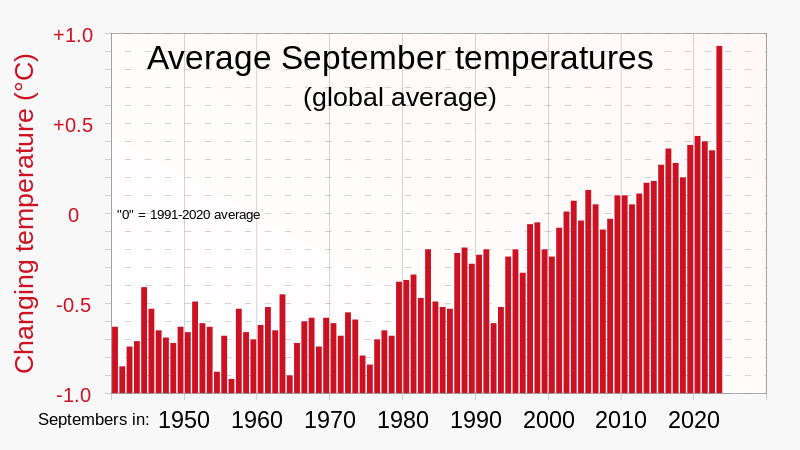
Source: https://climate.copernicus.eu/copernicus-september-2023-unprecedented-temperature-anomalies
Attribution: RCraig09, CC BY-SA 4.0 https://creativecommons.org/licenses/by-sa/4.0, via Wikimedia Commons
- The summer of 2023 saw record-breaking temperatures across the globe, including Europe and the United States. Cities like Phoenix and Las Vegas experienced days on end with temperatures soaring above 110°F (43°C), stressing energy systems due to increased air conditioning use and causing public health crises.
- The 2023 wildfire seasons in Australia and the Western United States were particularly severe, exacerbated by hot, dry conditions that are becoming more common as the climate changes. These fires not only destroy homes and habitats but also contribute significantly to carbon emissions, further exacerbating global warming.
- Arctic and Antarctic regions continue to report record lows in ice extent, impacting global sea levels and oceanic currents. This change affects global weather patterns and marine ecosystems, threatening species dependent on ice-covered regions.
- The Great Barrier Reef suffered another significant bleaching event in 2023, largely due to higher sea temperatures. Coral bleaching affects biodiversity, fisheries, and local economies dependent on tourism.
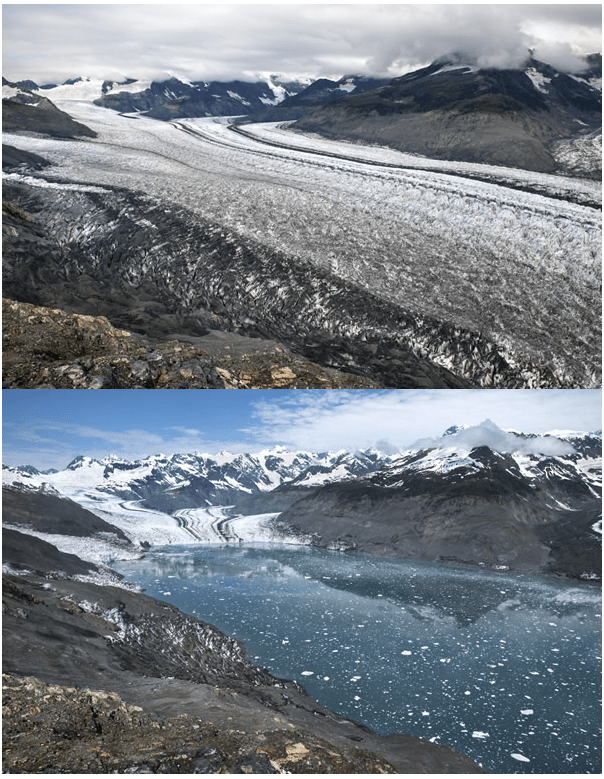
Photo credit: James Balog and the Extreme Ice Survey. doi: 10.1130/GSATG293A.1
Tracing the roots
While Earth’s climate has always been a dance of cosmic and terrestrial forces, human actions have tipped the scales. Yes, natural phenomena like volcanic eruptions play their part, but the surge in temperatures and extreme weather is largely our own doing—through massive deforestation, relentless burning of fossil fuels, and industrial emissions. It’s like nature started a slow dance, and humanity turned it into a frantic tango.
Natural causes
- While not frequent, volcanic eruptions can have a dramatic impact on climate by releasing large quantities of particulate matter and sulfur dioxide into the atmosphere. These aerosols can reflect solar radiation back into space and cool the Earth’s surface temporarily. For example, the eruption of Mount Pinatubo in 1991 led to a global temperature decrease of about 0.5 degrees Celsius over the following two years.
- The Sun’s energy output is not constant but varies on cycles that span decades and centuries. Periods of higher or lower solar activity can slightly affect global climate. However, since the mid-20th century, solar influences have been minimal compared to the effects of greenhouse gases released by human activities.
- Over thousands of years, slight variations in Earth’s orbit cause significant changes in the distribution and intensity of sunlight received at different latitudes, leading to natural climate shifts like the ice ages.
Man-made causes
- By far, the most significant driver of recent climate change is the increase in greenhouse gases (GHGs) in the atmosphere, primarily carbon dioxide (CO2), methane (CH4), and nitrous oxide (N2O). These gases trap heat in the atmosphere, a process known as the greenhouse effect. The primary sources include burning fossil fuels for electricity, heat, transportation, industrial processes, and agricultural practices.
- Trees absorb CO2 from the atmosphere, but when forests are cut down for timber or to make way for agriculture, that stored carbon is released back into the atmosphere, further enhancing the greenhouse effect.
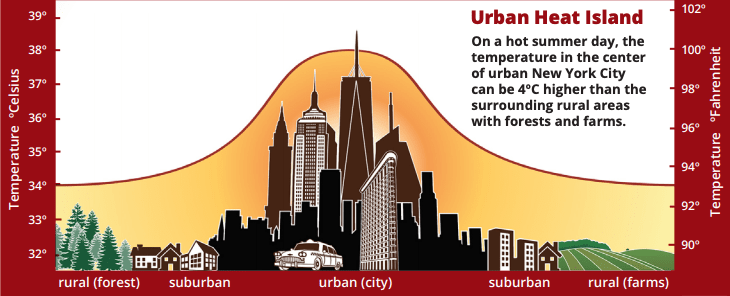
- The expansion of urban areas affects local climates through the replacement of vegetation with asphalt, concrete, and buildings, which absorb and retain heat. This creates “urban heat islands” where cities become markedly hotter than their rural surroundings.
- Industries emit a variety of greenhouse gases through processes other than combustion. For example, the production of cement releases CO2, while industrial activities involving refrigerants can release hydrofluorocarbons, potent greenhouse gases.
The industrial revolution in the 20th century brought along a lot of technological advancements but at the cost of the destruction of nature. Is our comfort worth destroying our own home planet? Can’t we come up with sustainable ways to create new technologies?
Call for action
It’s time for action! Every small action can lead to significant change. accessibility and feasibility are crucial when discussing climate action. Some big steps need to be taken by governing bodies and companies to have large-scale impacts. Subsidizing renewable energy, enacting strict environmental regulations on industries, transportation, and construction to ensure eco-friendly practices, promoting public transportation, optimizing supply chains for sustainability, implementing Corporate Social Responsibility (CSR) Initiatives like reforestation projects, community clean-up events, etc. can be some immediate steps that will have large scale impacts.
It is a different situation for people in general. Not everybody can afford sustainable energy sources like solar panels or have the money and time to contribute to community events. For individuals facing economic constraints or time limitations, it’s essential to suggest practical and achievable actions that can integrate into their existing routines without significant disruption. We recognize that not everyone has the resources to make big changes overnight. But every small, thoughtful action contributes to a larger impact. Here are some realistic and practical steps that can fit into busy lives and tight budgets:
- Mindful Consumption: Choose to buy in bulk to reduce packaging waste, and when you have options, pick products with less plastic packaging.
- Reuse What You Have: Keep using what you already own—bags and bottles can be reused multiple times. When they are no longer usable, ensure they are recycled properly. Use cloth or rags to clean rather than wasting several rolls of paper towels every month.
- Energy Conservation: Simple habits like turning off lights when not in use, unplugging devices overnight, and using natural light during the day can reduce energy consumption.
- Water Conservation: Small changes like fixing leaky faucets, taking shorter showers, and using a bucket for washing cars or watering plants can significantly reduce water use.
- Smart Laundry: Wash clothes in cold water when possible and hang clothes to dry instead of using a dryer. This saves energy and extends the life of clothes.
- Reduce Food Waste: Plan meals to avoid overbuying, use leftovers creatively, and compost organic waste if possible, which can also enrich soil for home gardens.
- Grow Your Own Greens: Even a small window box or balcony garden can produce herbs and vegetables, reducing the need for store-bought greens and the associated packaging.
- Educate Yourself and Others: Knowledge is power. Use community resources, such as libraries or online platforms, to learn about sustainable practices that are feasible in your context and share this knowledge with others.

Did you notice something with these steps? Our parents have already been doing most of these things all their life and also encouraged us to do them. But they have often been put off as misers, which is not correct. While trying to keep their budgets in shape, they are also living a sustainable life, and terming their practices old-fashioned and wasting resources is not cool.
“Be thankful for all that you have in your life. Everything is a gift we are not entitled to get automatically. Be deserving of life by showing gratitude.” Point to ponder? Be Priyafied!
Discover more from Priyafied
Subscribe to get the latest posts sent to your email.

 Priyafied