

A recent study by a WHO committee published in July 2023 put the artificial sweetener aspartame under the category of possible carcinogens, which are substances that cause cancer. However, a second WHO committee that is the Expert Committee on Food Additives did not change the threshold for consumption of this artificial sweetener. So who do we believe? Let us pull apart the situation and build it up step by step to understand what is happening behind the scenes.

Artificial sweeteners are substances that can replace natural sugar (sucrose) in foods. Using just a minuscule amount of artificial sweeteners produces the same sweetness as a lot of sugar, but due to the small amount of it, the calories gained from it are reduced drastically, making it a healthier option in that sense. Among several approved artificial sweeteners, aspartame is one that is used in several processed food items like Diet Coke, tabletop sweeteners (NutraSweet, Sugar Twin, etc.), sugar-free gum including Trident, Mentos, etc., gelatin-based products (eg. sugar-free Jell-O), some syrups, and so on.

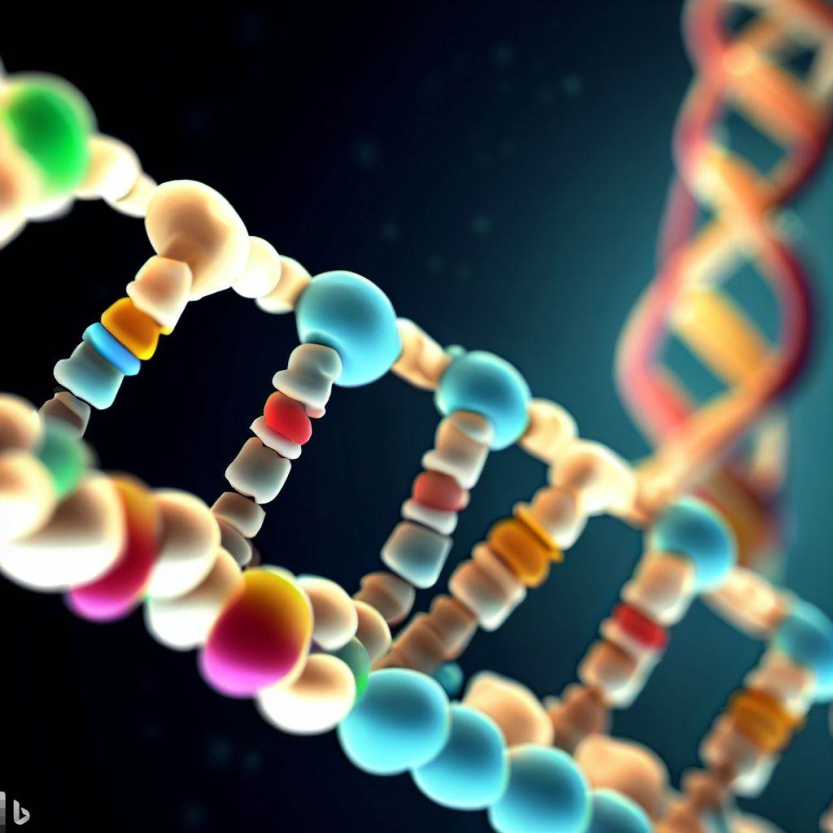
Cancer is a disease caused by uncontrolled mutation of DNA and abnormal growth of cells that can invade other tissues and organs. The type, treatment, severity, etc. depend on the part of the body that is affected. Carcinogens are substances, organisms, or agents that are capable of causing cancer. For example, ultraviolet rays are carcinogens and our body’s defence mechanism against it is tanning, which is the production of more melanin, a pigment that protects the skin from UV damage. However, tanning does not prevent DNA damage or skin cancer completely, and excessive exposure to UV rays can overwhelm the body’s natural repair mechanisms. And we can save ourselves by avoiding unnecessary exposure to the sun or using sunscreen. Similarly, certain foods and drinks have carcinogens. For example, alcohol in any quantity is capable of causing cancer when it releases a by-product called acetaldehyde that can bind with DNA and force cells to replicate incorrectly, and also by causing hormonal imbalance.
A quick introduction to the basics of cancer in ten minutes here:
Science in ten minutes – Cancer, chemotherapy, and radiation: Killing cells that forget how to die


HOWEVER, please note that ingesting or exposing to carcinogens doesn’t necessarily mean you will get cancer. These have the capability of causing cancer, and whether or not you will get it depends on several other factors, including your lifestyle, hygiene, genetics, age, immune system, infections, hormones, etc. Under this light, you will now easily understand that the artificial sweetener aspartame is now a possible carcinogen according to one committee of WHO, the International Agency for Research on Cancer (IARC), while another committee, the Joint FAO/WHO Expert Committee on Food Additives, is still not on-board with it completely. This is because there is no conclusive evidence of this substance causing cancer in humans, and the link between cancer and artificial sweeteners has relied on evidence from studies on animals.
Most of the animal studies were conducted by the Ramazzini Institute, an Italian research centre that has been criticized for its methods and findings by other scientists and regulators. The latest review of their data was published in 2021 and confirmed their original findings. However, other animal studies have not found any consistent link between aspartame and cancer. And even in the Ramazzini studies, the situations when this material did produce DNA mutation were when the amount fed to rats was equivalent to 4% of their body weight, which is much higher than what humans would consume.
Moreover, other agencies such as the FDA and the American Beverage Association disagree with the IARC’s conclusion and maintain that aspartame is safe at approved levels. The WHO’s daily acceptable intake of aspartame has long been set at a maximum of 40 milligrams per kilogram of body weight per day. To put this in perspective, if a person weighs 70 kilograms (about 154 pounds), they could consume up to 2.8 grams per day—or roughly equivalent to 9 to 14 cans of diet soda. The FDA has an even higher acceptable intake of 50 milligrams per kilogram a day.
Besides, too much artificial sweeteners have other negative effects on health. Some research has linked excessive use of artificial sweeteners to heart problems, obesity, diabetes, etc. Uncontrolled usage can cause the problem you were trying to combat in the first place – excess weight! So, is it back to good old sugar? Well, the idea is to keep everything in moderation and try to understand how the sugar is packed in the food. For example, natural sugar in fruits is packaged with other nutrients and fibre, and hence it controls the amount of sugar actually absorbed by the body. On the other hand, packaged foods containing sugar are concentrated, resulting in high absorption of sugar by the body and as a result, the negative effects of sugar are easily seen. So, keep your intake of any artificial sweetener to a minimum and use it only as intended, and you’ll be fine as long as you maintain a healthy lifestyle overall.
Some links for you to learn more if you’d like to:
https://www.ncbi.nlm.nih.gov/pmc/articles/PMC8042911/
https://www.health.harvard.edu/blog/artificial-sweeteners-sugar-free-but-at-what-cost-201207165030
https://www.cancerresearchuk.org/about-cancer/causes-of-cancer/cancer-myths/do-artificial-sweeteners-cause-cancer
https://www.cancervic.org.au/cancer-information/preventing-cancer/limit-alcohol/how-alcohol-causes-cancer
Keep learning and be Priyafied!
Discover more from Priyafied
Subscribe to get the latest posts sent to your email.

 Priyafied